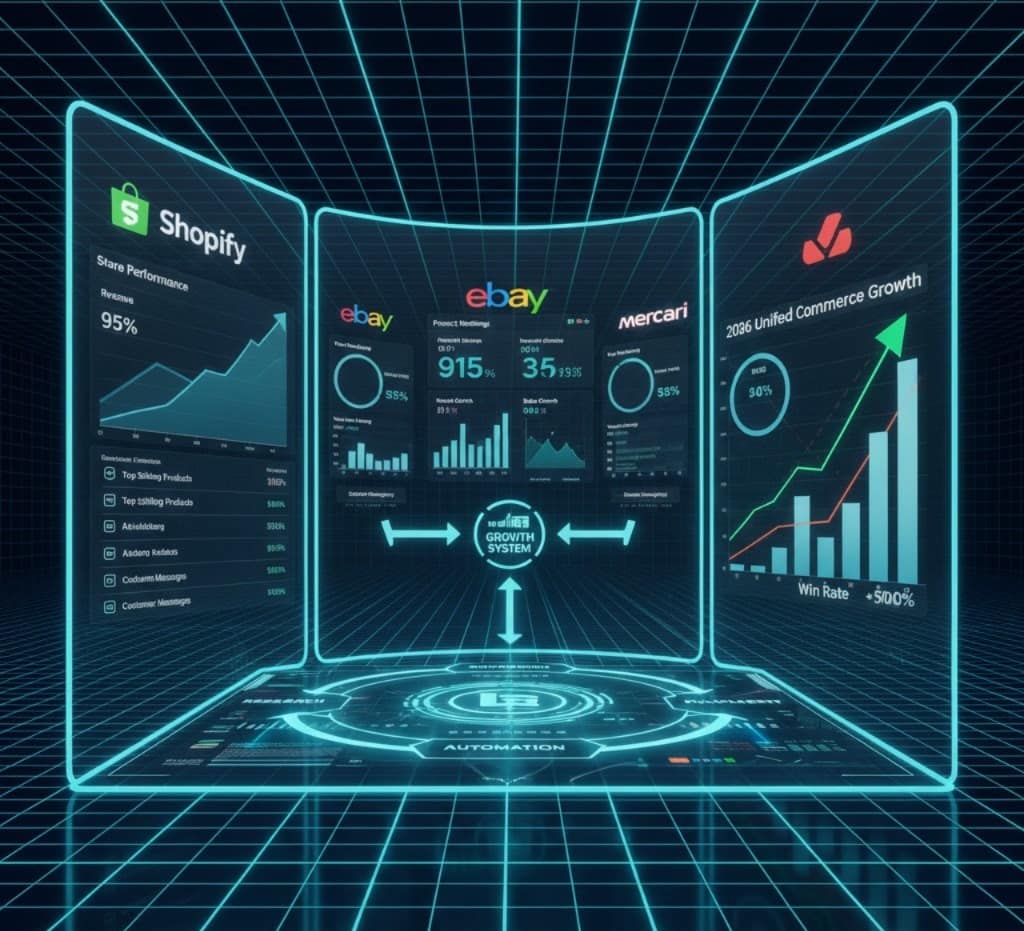
Shopify on page SEO in 2026 is no longer about ticking boxes or adding keywords once and moving on. Search engines have evolved, competition has increased, and ecommerce brands must now think in systems rather than individual optimizations.
Many store owners focus on titles, descriptions, and tags while ignoring the bigger picture. While those elements matter, they are only a small part of what drives visibility, rankings, and sales. Real Shopify SEO success comes from optimizing product pages, collection pages, core pages, and technical structure together.
Most importantly, SEO is a long term investment. It should be built into your store before spending heavily on ads. Without a strong SEO foundation, paid traffic often exposes weaknesses rather than generating profit.
What Shopify On Page SEO Really Includes
On page SEO refers to everything you control directly on your Shopify store. It tells search engines what your pages are about and helps users understand and trust your content.
The core elements include titles, meta descriptions, image optimization, URLs, internal linking, and page content. However, focusing on these alone is not enough in 2026.
SEO works when every page type supports the others.
Titles and Meta Descriptions That Drive Clicks
Page titles remain one of the strongest ranking signals. They must be clear, relevant, and written for search intent, not keyword stuffing.
Product titles should describe the product accurately while matching how customers search. Collection titles should reflect category intent and buying behavior. Homepage and core pages should reinforce brand positioning and topical relevance.
Meta descriptions do not directly affect rankings, but they influence click through rates. Clear and compelling descriptions improve engagement, which supports long term SEO performance.
Product URLs and Site Structure
Clean product URLs help both users and search engines. Shopify allows URL customization, and removing unnecessary words improves clarity and indexing.
A logical site structure connects products to collections and collections to core pages. When pages are properly linked, search engines understand hierarchy, relevance, and authority.
Poor structure leads to crawling issues and weak rankings, even if individual pages are optimized.
Image Alt Text and Media Optimization
Images play a major role in ecommerce SEO. Alt text helps search engines understand images and improves accessibility.
Alt text should describe the product naturally and clearly. Over optimization harms trust and usability. File size, image compression, and proper formatting also affect page speed, which directly impacts rankings and conversions.
Fast loading pages matter more than ever.
Product Tags and Availability Signals
Shopify tags help with internal organization and filtering. While tags alone do not boost rankings, they support navigation and internal linking when used properly.
Availability badges such as in stock or low stock influence user behavior. Search engines measure engagement signals, and availability impacts bounce rates and conversions. Optimizing for user experience indirectly strengthens SEO performance.
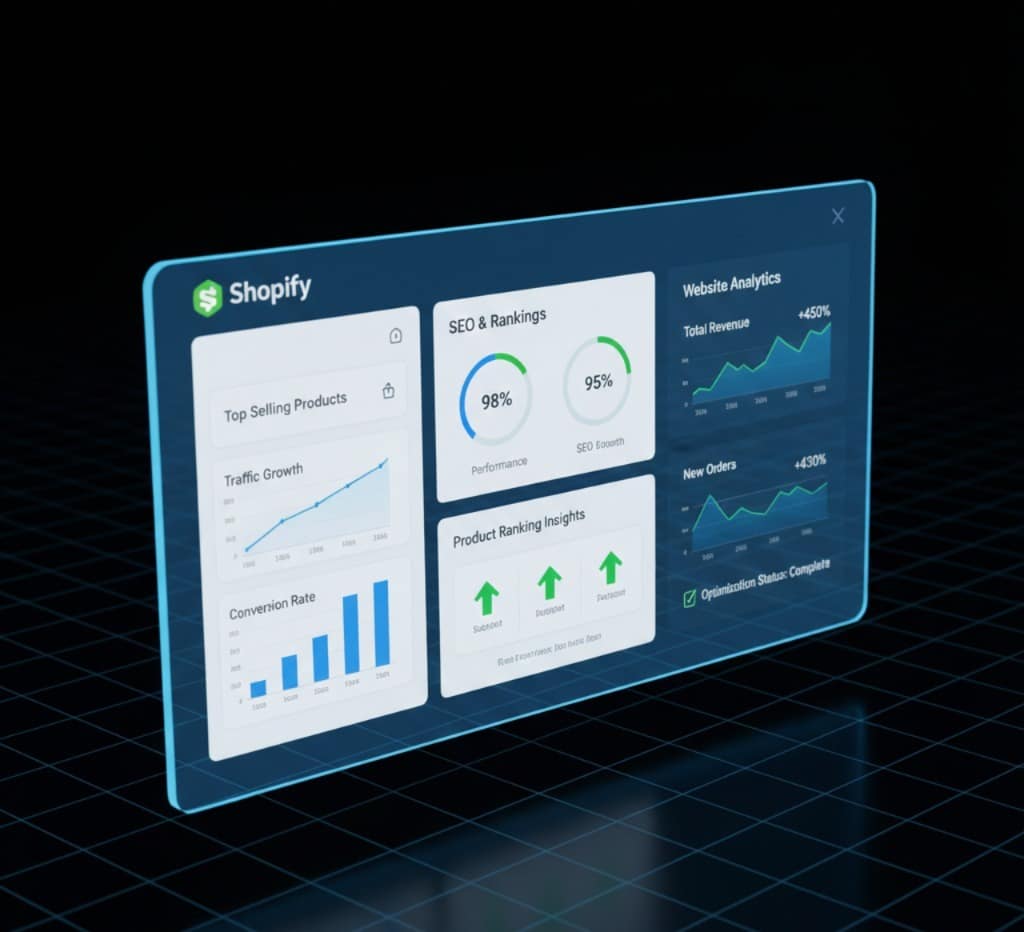
Product Page SEO Beyond the Basics
Product pages are the backbone of ecommerce SEO. Titles and images are not enough.
Strong product pages include
Clear product descriptions written for users
Keyword aligned headings and content
Internal links to related products and collections
Trust signals such as policies and FAQs
Mobile optimization and fast load times
Thin or duplicated product pages struggle to rank in 2026.
Collection Pages Are SEO Powerhouses
Many Shopify stores overlook collection pages. This is a major mistake.
Collection pages target high intent category searches. They allow content placement, internal linking, and keyword targeting at scale.
Optimized collection pages include
Descriptive introductory content
Clear sorting and filtering
Logical product grouping
Internal links to sub collections and blogs
Strong collection pages often outperform individual products in organic search.
Core Pages Also Matter for SEO
Homepage, about page, contact page, and policy pages contribute to trust and authority.
Search engines evaluate overall site quality. Clear brand messaging, transparency, and usability influence rankings indirectly by improving user trust and engagement.
SEO is not only about keywords. It is about credibility.
Technical SEO Is the Foundation
On page SEO cannot succeed without technical SEO.
Technical optimization includes
Site speed and performance
Mobile responsiveness
Clean code and theme structure
Indexing and crawl management
Structured data and schema
Error handling and redirects
Coding quality matters. Bloated themes, unnecessary scripts, and poor development choices slow sites down and weaken rankings.
This is why technical SEO must be addressed early.
Why SEO Must Come Before Ads
Paid ads drive traffic instantly, but they do not fix underlying problems.
If a store has poor structure, weak content, slow speed, or unclear messaging, ads simply magnify losses. SEO forces discipline. It requires proper structure, clarity, and user focus.
When SEO is in place first
Organic traffic reduces dependency on ads
Conversion rates improve
Ad campaigns perform better
Long term costs decrease
SEO builds assets. Ads rent attention.
SEO Is a Long Term Growth Strategy
Shopify SEO does not produce overnight results. It compounds over time.
Rankings grow gradually
Content builds authority
Internal links strengthen relevance
User engagement improves
Search visibility stabilizes
Brands that stay consistent outperform those chasing shortcuts. Patience and discipline separate successful ecommerce stores from those that constantly restart.
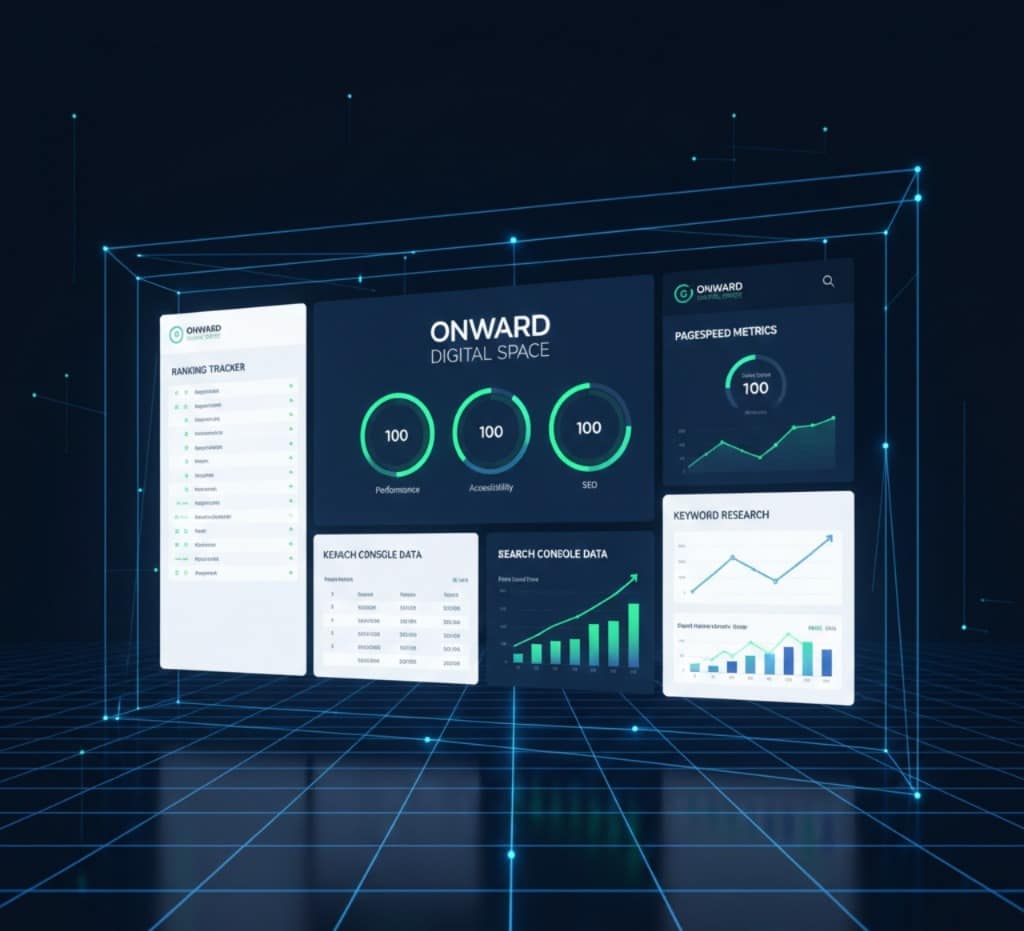
How Onward Digital Space Approaches Shopify SEO
Onward Digital Space treats Shopify SEO as a system.
On page optimization across products collections and core pages
Technical SEO focused on performance and clean structure
Content strategy aligned with buyer intent
Internal linking for authority flow
Ongoing analysis and refinement
The goal is not quick rankings, but sustainable growth that supports every marketing channel.
Final Thoughts
Shopify on page SEO in 2026 is deeper than titles and descriptions. It is about building a store that search engines trust and users enjoy.
SEO should be implemented before heavy ad spend, not after losses occur. When built correctly, it becomes the foundation that supports long term ecommerce success.
Onward Digital Space helps brands implement Shopify SEO with intention, structure, and consistency, turning optimization into measurable growth.